

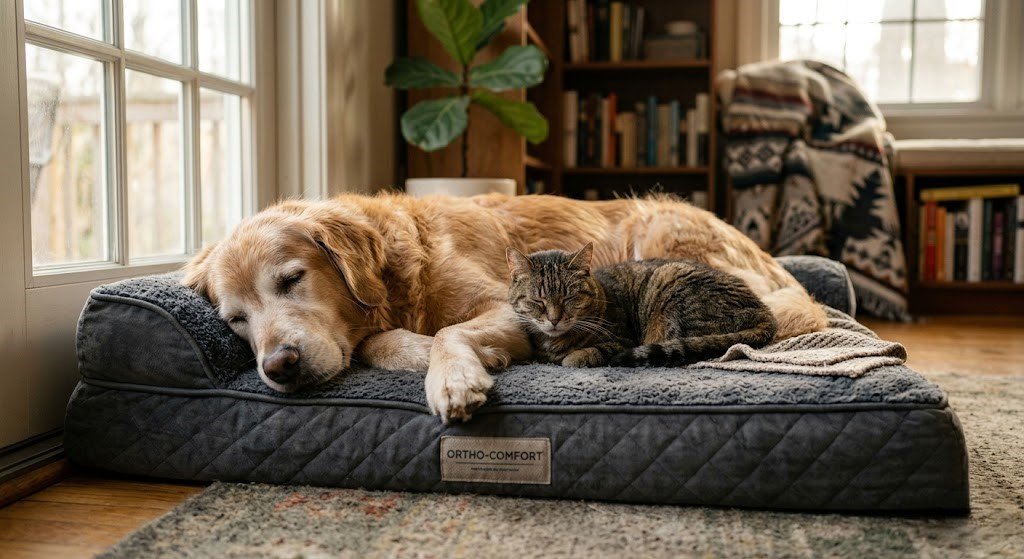
As our beloved pets reach their golden years, their physiological and behavioral needs shift dramatically. According to the American Animal Hospital Association (AAHA), age is not a disease, but aging brings progressive biological changes that require proactive management. Providing attentive senior pet care allows pet parents to detect early warning signs of illness, manage chronic pain, and maintain their companion’s quality of life.
Whether your pet is a dog entering age seven or a cat nearing a decade, adopting specialized senior pet care and geriatric health solutions ensures your furry friend stays happy, comfortable, and vibrant throughout their senior years.
📌 Key Takeaways (Most Important Points)
- Frequent Veterinary Visits: Senior pets benefit from semi-annual (every 6 months) wellness exams and routine bloodwork to catch silent diseases early.
- Pain Management & Mobility: Osteoarthritis is extremely common; combining joint supplements, low-impact activity, and orthopedic support dramatically improves mobility.
- Tailored Nutrition: Caloric and protein requirements change with age; maintaining body condition score prevents sarcopenia (muscle loss) or obesity.
- Environmental Modifications: Simple home tweaks—like non-slip rugs, ramp access, and low-sided litter boxes—drastically boost independence.
- Cognitive Support: Canine Cognitive Dysfunction (CCD) and feline cognitive decline require mental stimulation, routine, and antioxidant-rich diets.
Understanding the Aging Process in Senior Pets
Pets age at significantly accelerated rates compared to humans. However, the exact threshold for “senior” status depends heavily on species and size:
- Small Dogs (<20 lbs): Considered senior around 8–10 years old.
- Medium to Large Dogs (21–90 lbs): Enter senior status around 7–8 years old.
- Giant Breed Dogs (>90 lbs): Considered senior by 5–6 years old.
- Cats: Typically enter senior years around 10–11 years old.
As pets cross these thresholds, metabolic speed decreases, immune function wanes, and tissue elasticity declines. Embracing holistic senior pet care means shifting from basic preventative health to comprehensive geriatric medicine.
[Internal Link: Learn more about customized pet wellness plans with PettyCore’s preventive healthcare guide]
1. Proactive Diagnostics & Veterinary Wellness Screenings
In younger animals, annual vet checkups are usually sufficient. For aging animals, veterinary professionals strongly recommend bi-annual physical examinations. Because animals instinctively hide pain and physical vulnerability, clinical symptoms often do not appear until a condition is advanced.
Essential Geriatric Health Screening Tests
- Complete Blood Count (CBC) & Serum Biochemistry: Identifies early renal insufficiency, hepatic changes, diabetes mellitus, and systemic inflammation.
- Urinalysis & Urine Protein-to-Creatinine Ratio (UPC): Detects early kidney disease and urinary tract infections before physical symptoms manifest.
- Thyroid Screening (T4): Screens for hypothyroidism in senior dogs and hyperthyroidism in senior cats.
- Blood Pressure Measurement: Essential for preventing hypertensive damage to eyes, kidneys, and cardiac muscle.
- Orthopedic & Dental Assessments: Checks for joint crepitus, periodontal disease, and oral tumors.
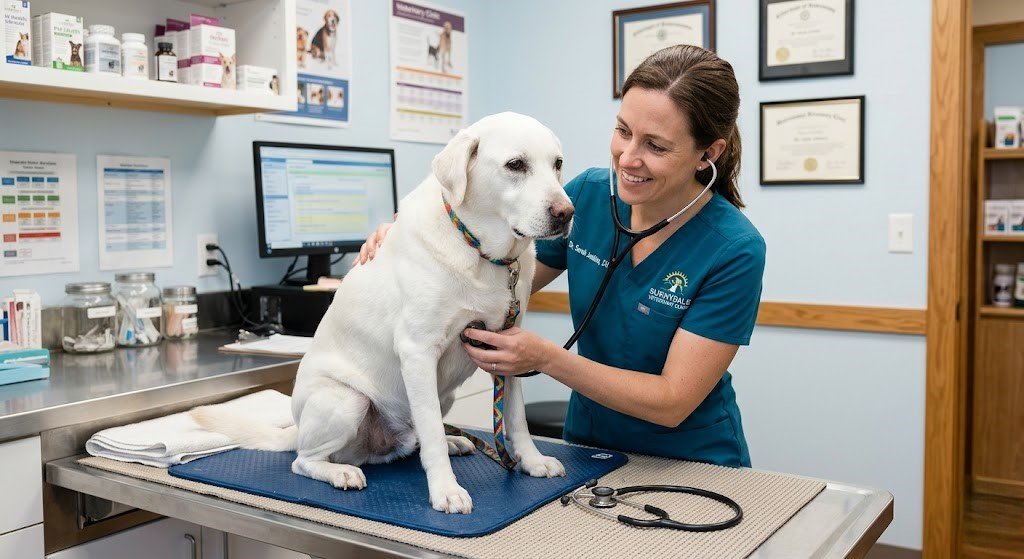
2. Managing Mobility, Joint Stiffness, and Arthritis
Osteoarthritis affects over 80% of senior dogs and a staggering percentage of cats over 12 years of age. Left unmanaged, chronic joint pain severely degrades quality of life and leads to muscle atrophy.
Effective Pain Management Strategies
- Nutraceuticals: Supplementation with Omega-3 fatty acids (EPA/DHA), Glucosamine, Chondroitin sulfate, and Green-Lipped Mussel supports cartilage resilience and reduces inflammation.
- Veterinary Therapeutics: Non-Steroidal Anti-Inflammatory Drugs (NSAIDs), monoclonal antibody therapies (such as Bedinvetmab for dogs or Frunevetmab for cats), and Gabapentin provide targeted pain relief under veterinary supervision.
- Low-Impact Exercise: Controlled leash walks, hydrotherapy, and gentle range-of-motion stretching maintain joint mobility without exacerbating tissue damage.
[External Link: Review official senior pet medical standards on the American Veterinary Medical Association (AVMA) Senior Pet Guidelines]
3. Targeted Nutrition and Body Condition Management
Nutritional adjustments are a cornerstone of effective senior pet care. Metabolism, digestive efficiency, and nutrient absorption undergo key transformations as animals age.
                 ┌──────────────────────────────────────────┐
                 │    Optimal Senior Pet Nutrition Plan     │
                 └────────────────────┬─────────────────────┘
                                      │
            ┌─────────────────────────┴─────────────────────────┐
            ▼                                                   ▼
┌───────────────────────┐                           ┌───────────────────────┐
│     Senior Dogs       │                           │      Senior Cats      │
├───────────────────────┤                           ├───────────────────────┤
│ • Moderate calories   │                           │ • High digestibility  │
│ • Higher quality protein│                         │ • Enhanced hydration  │
│ • Added joint support │                           │ • Kidney support (Phos)│
└───────────────────────┘                           └───────────────────────┘
Weight Control: Obesity vs. Sarcopenia
- Obesity in Dogs: Excess body mass puts immense pressure on aging joints and strain on the cardiovascular system. Calorie-controlled, high-fiber diets help maintain lean mass.
- Weight Loss in Cats: Unexpected weight loss in aging felines is often an early marker of chronic kidney disease, hyperthyroidism, or diabetes. High-calorie, highly palatable, moist foods are vital to prevent muscle wasting.

4. Environmental Adaptation & Home Accessibility
Making small adjustments to your home layout eliminates everyday friction for aging companions facing mobility or vision limitations.
Top Home Adaptations for Aging Pets
- Traction Control: Place non-slip carpet runners over hardwood, tile, or laminate flooring to prevent slipping injuries.
- Ramps & Steps: Install padded ramps next to couches, beds, or entry stairs so pets can navigate vertical shifts safely.
- Orthopedic Bedding: Provide thick memory foam orthopedic beds that cushion pressure points and relieve spinal discomfort.
- Accessible Necessities: Switch to low-sided litter boxes for senior cats and elevated feeding stations for dogs experiencing cervical spine stiffness.
5. Navigating Cognitive Dysfunction Syndrome (CDS)
Cognitive Dysfunction Syndrome (CDS) is the pet equivalent of dementia or Alzheimer’s disease. Recognizing behavioral symptoms early enables targeted cognitive intervention.
Symptoms of Cognitive Decline (DISHA Matrix)
- Disorientation: Getting stuck behind furniture or staring blankly at walls.
- Interactions: Changes in social behavior toward family members or other household pets.
- Sleep-Wake Cycles: Nighttime restlessness, pacing, or vocalizing coupled with excessive daytime sleeping.
- House Soiling: Accidents indoors or outside the litter box despite previous training.
- Activity Changes: Decreased interest in play, exploration, or purposeful movement.
Support CDS through predictable daily routines, gentle sensory games, puzzle feeders, and veterinarian-prescribed cognitive diets enriched with medium-chain triglycerides (MCTs) and antioxidants.

Conclusion
Providing thoughtful, compassionate senior pet care is one of the most rewarding parts of pet ownership. By pairing routine veterinary wellness checkups with proper nutrition, mobility management, and environmental accommodations, you can ensure your aging pet remains comfortable and joyful throughout their golden years. Early intervention is key—monitor subtle changes in behavior, body weight, and activity level today to gift your companion a vibrant, healthy tomorrow.
Frequently Asked Questions (FAQs)
How often should a senior pet see the vet?
Senior pets should have a veterinary examination at least once every six months. Bi-annual exams allow veterinarians to detect subtle health shifts, run baseline lab work, and adjust pain management protocols early.
What are the earliest signs of arthritis in senior dogs and cats?
Early signs include stiffness when rising, reluctance to jump or climb stairs, reduced activity, irritability when petted along the back, and overgrooming specific joints. In cats, avoiding vertical perches is often the primary indicator.
How can I tell if my senior pet is in pain?
Pets rarely vocalize chronic pain. Instead, watch for subtle behavioral changes such as panting while resting, altered gait, decreased appetite, difficulty finding a comfortable sleeping position, or withdrawal from family interactions.