

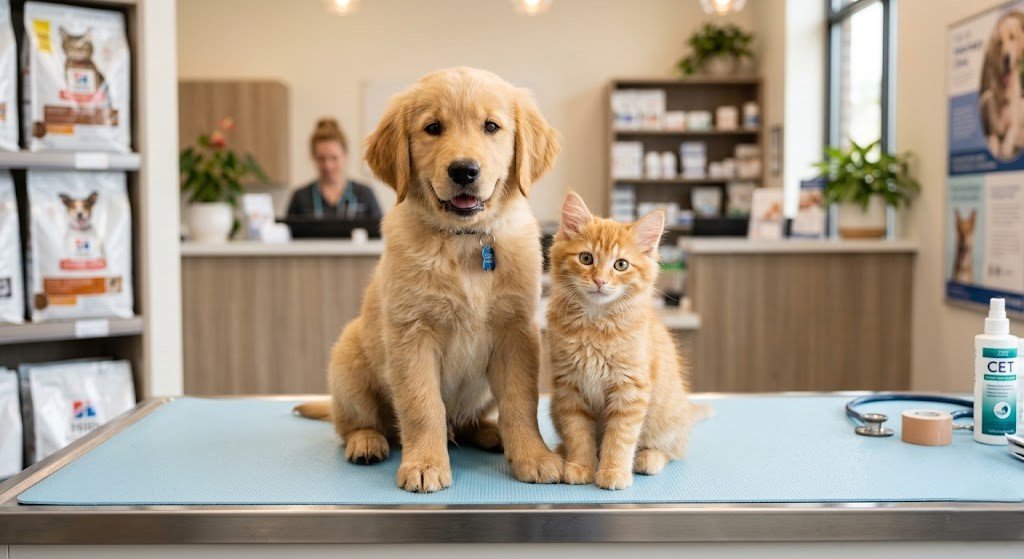
Bringing a new young pet into your home brings immense joy, but it also comes with crucial responsibilities. Chief among these is safeguarding your new companion from preventable, potentially fatal infectious diseases. Navigating the puppy and kitten vaccination schedule during their first year of life is the single most effective way to build a robust immune system for your growing pet.
Maternal antibodies acquired through mother’s milk protect young animals during their first few weeks of life. However, as these natural antibodies decline between 6 to 16 weeks of age, puppies and kittens become vulnerable to dangerous pathogens. Adhering to a structured immunization timeline ensures continuous protection without coverage gaps.
Key Takeaways
- Core vs. Non-Core: Core vaccines (like Rabies, DHPP for dogs, and FVRCP for cats) are mandatory for all pets, while non-core vaccines depend on lifestyle and geographical risk.
- Strict Timing: Boosters are administered every 3 to 4 weeks starting around 6–8 weeks until 16–20 weeks of age to overcome maternal antibody interference.
- Rabies Laws: Rabies vaccinations are legally mandated and are typically administered between 12 and 16 weeks of age.
- Socialization Safety: Do not introduce your puppy or kitten to unvaccinated animals or public pet areas until two weeks after their final booster series.
Understanding Core vs. Non-Core Vaccines
Veterinary immunization guidelines split vaccines into two distinct categories:
- Core Vaccines: Recommended for all puppies and kittens regardless of environment, geographical location, or lifestyle due to the high severity and contagious nature of the targeted diseases.
- Non-Core (Lifestyle) Vaccines: Administered based on an individual risk assessment evaluated by your veterinarian (e.g., exposure to tick-dense areas, boarding facilities, or outdoor environments).
First-Year Puppy Vaccination Schedule
Puppies require a series of booster shots to ensure their developing immune system builds lasting protection against dangerous canine viruses.
![[Image Placeholder 1]
Gemini Prompt: A close-up photograph of a gentle veterinarian in clean scrubs holding a cute, healthy puppy on an examination table while giving a gentle health checkup. Clean, reassuring medical atmosphere, soft lighting, professional macro shot.](https://pettycore.com/wp-content/uploads/2026/09/p2.jpg "Pettycore")
1. 6 to 8 Weeks: Initial Immunizations
- DHPP / DAPP (Core): Distemper, Adenovirus (Hepatitis), Parvovirus, and Parainfluenza combination shot.
- Bordetella (Non-Core): Recommended early if the puppy comes from a shelter or will attend early socialization classes.
2. 10 to 12 Weeks: Second Booster Series
- DHPP / DAPP (Core): Second booster dose.
- Leptospirosis & Lyme Disease (Non-Core): Recommended for puppies exposed to wildlife, wet soils, or tick-heavy regions.
3. 14 to 16 Weeks: Final Puppy Boosters & Rabies
- DHPP / DAPP (Core): Final booster in the initial puppy series.
- Rabies (Core): Typically administered between 12 and 16 weeks per local legal mandates.
| Age Window | Core Puppy Vaccines | Optional / Lifestyle Vaccines |
| 6–8 Weeks | DHPP (Distemper, Parvo, Hepatitis) | Bordetella (Kennel Cough) |
| 10–12 Weeks | DHPP Booster | Leptospirosis, Lyme, Canine Influenza |
| 14–16 Weeks | DHPP Booster, Rabies | Leptospirosis/Lyme Booster |
| 1 Year (Adult) | DHPP Booster, Rabies Booster | Annual Lifestyle Boosters |
First-Year Kitten Vaccination Schedule
Feline infectious diseases spread easily between cats. Establishing a strict kitten vaccine timeline prevents life-threatening illnesses.
![[Image Placeholder 2]
Gemini Prompt: High-quality photo of a small fluff kitten looking curiously at a vaccination record booklet on a wooden clinic counter. Warm indoor lighting, clear focus on the kitten's bright eyes.](https://pettycore.com/wp-content/uploads/2026/09/p3.jpg "Pettycore")
1. 6 to 8 Weeks: Early Feline Protection
- FVRCP (Core): Feline Viral Rhinotracheitis, Calicivirus, and Panleukopenia (feline distemper).
2. 10 to 12 Weeks: Secondary Boosters
- FVRCP (Core): Second booster dose.
- FeLV (Core/Non-Core): Feline Leukemia Virus vaccine is strongly recommended for all kittens by major feline veterinary groups.
3. 14 to 16 Weeks: Final Series & Rabies
- FVRCP (Core): Final booster in the kitten series.
- Rabies (Core): Mandatory core vaccination administered according to regional laws.
- FeLV (Non-Core): Second booster dose for full initial protection.
What to Expect: Post-Vaccination Care & Mild Side Effects
After receiving shots, it is completely normal for your puppy or kitten to show mild lethargy or slight tenderness at the injection site for 24 to 48 hours.
![Image Placeholder 3]
Gemini Prompt: A gentle photo of a puppy resting comfortably on a plush pet bed with a blanket nearby, looking calm and relaxed. Bright daylight pouring through a window, serene home setting.](https://pettycore.com/wp-content/uploads/2026/09/p4.jpg "Pettycore")
Normal Symptoms:
- Sleepiness or reduced energy
- Low-grade fever
- Slight swelling or tenderness at the injection site
Rare Adverse Reactions (Contact Your Vet Immediately):
- Facial swelling, hives, or severe itching
- Persistent vomiting or severe diarrhea
- Difficulty breathing or sudden collapse
Conclusion
Following a structured puppy and kitten vaccination schedule provides your young pet with the foundational immunity required to live a long, healthy life. While the initial series requires multiple visits during their first year, this preventive care shields them from severe, high-cost medical emergencies down the road. Always partner with your licensed veterinarian to tailor an immunization plan tailored to your pet’s specific environment and risk factors.
Frequently Asked Questions (FAQs)
What happens if I miss a puppy or kitten vaccination booster?
If you miss a scheduled booster by more than a week or two, contact your vet promptly. Depending on how much time has passed, your vet may recommend restarting the booster series to ensure complete immunity.
Can indoor cats skip the kitten vaccination schedule?
No. Indoor cats can still be exposed to airborne viruses like FVRCP through open screens, accidental escapes, or pathogens carried home on human clothing and shoes.
When is it safe for my puppy to socialize with other dogs?
Your puppy is fully protected about 10 to 14 days after receiving their final round of booster shots (around 16 weeks of age). Avoid dog parks and public pet areas until this final milestone is reached.