


Transitioning your pet into their adult years brings exciting stability, but it also shifts their physiological needs. Maintaining adult dog & cat health requires moving away from the high-calorie growth formulas of puppyhood and kittenhood toward a balanced maintenance routine. Whether you are managing an energetic canine or an independent feline, understanding nutrient ratios, metabolic requirements, and routine wellness protocols ensures your pets live longer, happier lives.
In this comprehensive guide, we unpack the science of adult pet care, offering actionable strategies to optimize diet, daily exercise, and preventative healthcare.
Key Takeaways: Most Important Points
- Species-Specific Diets: Dogs are omnivores that thrive on balanced protein, carbs, and fats, while cats are obligate carnivores requiring higher protein and essential nutrients like taurine. Humane Animal Partners
- Calorie Precision: Overfeeding is the primary cause of pet obesity; always measure meals based on ideal weight rather than free-feeding. Veterinary Hospital – NC State University
- AAFCO Standards: Look for the Association of American Feed Control Officials (AAFCO) statement on labels to guarantee complete and balanced adult maintenance nutrition. FDA
- Hydration Management: Clean, fresh water is non-negotiable for metabolic health, kidney protection, and urinary tract disease prevention.
- Preventative Maintenance: Regular vet check-ups, dental care, and active movement form the foundation of long-term longevity.
Understanding Canine vs. Feline Nutritional Needs
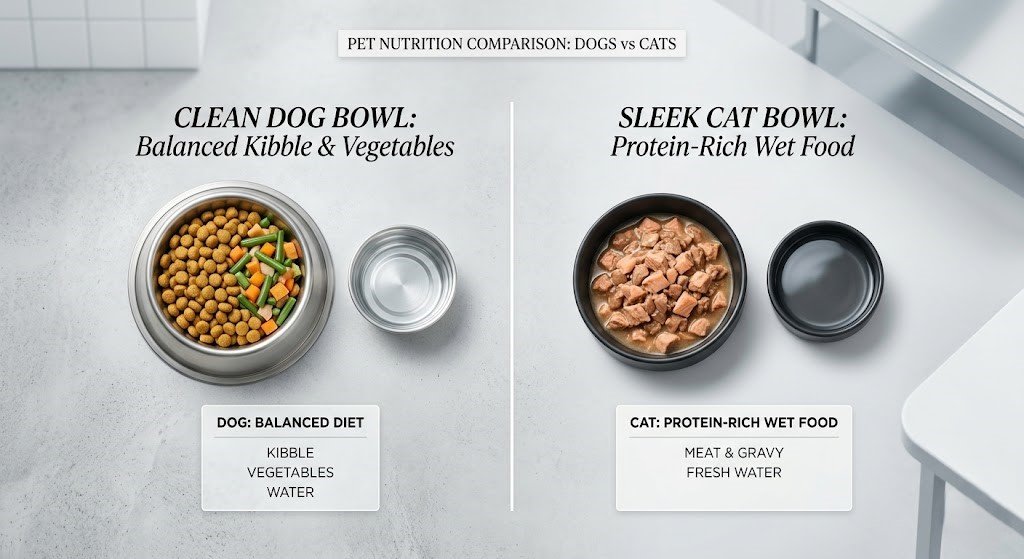
When optimizing adult dog & cat health, one size never fits all. Dogs and cats have fundamentally different biological structures and digestive systems.
Feline Nutrition: Obligate Carnivores
Cats require a meat-based diet to survive. Unlike dogs, they cannot produce essential amino acids like taurine or arginine on their own.
VCA Animal Hospitals
- Protein: Adult cats need at least 26% protein on a dry-matter basis to preserve lean muscle mass. FDA
- Taurine: Critical for feline heart function, vision, and reproductive health.
- Moisture: Cats naturally have a low thirst drive; incorporating canned wet food helps prevent urinary tract disorders and chronic kidney disease. VCA Animal Hospitals
Canine Nutrition: Adaptable Omnivores
Dogs possess digestive enzymes that allow them to process complex carbohydrates alongside protein and fat.
VCA Animal Hospitals
- Protein: Adult maintenance diets require a minimum of 18% protein. Humane Animal Partners
- Carbohydrates: Provide accessible energy and dietary fiber to aid digestion. Humane Animal Partners
- Healthy Fats: Omega-3 and Omega-6 fatty acids support cognitive function, joint flexibility, and skin health. Veterinary Hospital – NC State University
For more detailed breakdowns on life-stage dietary adjustments, explore our guide on [Internal Link: Insert relevant internal URL here with anchor text: transition guides for adult pet diets].
Portions, Calorie Control, and Weight Management
Obesity is a major threat to adult dog & cat health, contributing to diabetes, osteoarthritis, and heart disease. Maintaining an ideal body condition score (BCS) requires precise calorie monitoring.
Veterinary Hospital – NC State University+ 1
+-------------------------------------------------------------------+
|                  General Daily Caloric Guidelines                 |
+------------------------------------+------------------------------+
| Pet Category                       | Estimated Daily Target       |
+------------------------------------+------------------------------+
| Average Adult Cat (approx. 9-10 lbs)| ~180 - 200 kcal/day          |
| Medium Adult Dog (approx. 30-40 lbs)| ~25 - 30 kcal/lb ideal weight|
+------------------------------------+------------------------------+
(Note: Always adjust exact portions based on activity level and spay/neuter status in consultation with your veterinarian).
Actionable Feeding Tips:
- Ditch the Scoop, Use a Scale: Weighing meals in grams prevents the portion creep that happens with standard measuring cups.
- Cap the Treats: Treats, table scraps, and training rewards should never exceed 10% of total daily caloric intake. Humane Animal Partners
- Check AAFCO Compliance: Confirm your pet’s food bag features an AAFCO “Adult Maintenance” adequacy statement. Learn more about regulatory standards at the official [External Link: Insert high-authority external URL here with anchor text: AAFCO Pet Food Guidelines].
Daily Physical Exercise and Behavioral Enrichment
A complete plan for adult dog & cat health balances nutrition with physical activity and mental stimulation.
Humane Animal Partners
Daily Routines for Dogs
- Cardio: 30–60 minutes of walking, running, or fetch daily keeps joints lubricated and controls weight.
- Mental Enrichment: Puzzle feeders, scent work, and routine obedience refreshers prevent behavioral issues linked to boredom.
Stimulation Routines for Cats
- Play Sessions: Interactive wand toys or laser chases simulate hunting instincts in 10-to-15-minute bursts.
- Vertical Space: Cat trees, perches, and scratching posts encourage climbing, stretching, and territory security.
Preventative Healthcare and Maintenance Checklist
Promoting long-term adult dog & cat health means catching subtle health changes before they develop into serious conditions.
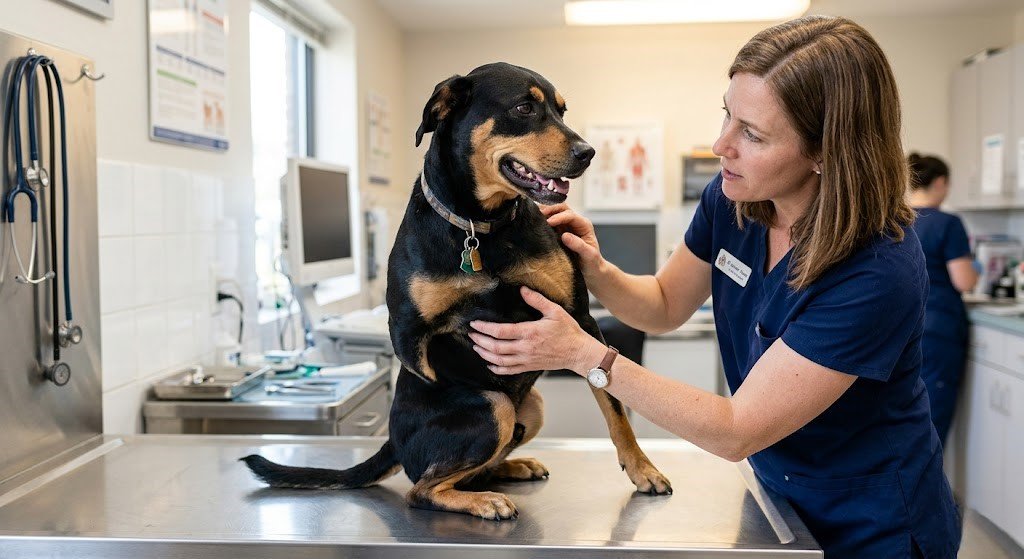
- Annual Veterinary Exams: Nose-to-tail physicals, routine bloodwork, and heartworm/parasite screenings.
- Dental Care: Daily brushing or VOHC-approved dental chews reduce periodontal disease risks.
- Grooming & Coat Care: Regular brushing minimizes hairballs in cats and keeps canine skin free from parasites and matting.

Conclusion
Sustaining optimal adult dog & cat health requires a thoughtful balance of species-tailored nutrition, strict portion management, regular physical activity, and proactive veterinary care. By monitoring body condition, selecting high-quality maintenance diets, and creating an engaging daily routine, you empower your pets to enjoy their prime years in peak physical shape.
Norgate Animal Hospital
Frequently Asked Questions (FAQs)
How often should I feed my adult dog and cat?
Most adult dogs and cats thrive on two scheduled meals per day spaced 8 to 12 hours apart. Scheduled meal feeding helps control caloric intake and allows you to monitor changes in appetite immediately.
VCA Animal Hospitals+ 1
What is the best diet for adult dog and cat health maintenance?
The best diet is one labeled “complete and balanced” under AAFCO adult maintenance guidelines, appropriate for your pet’s specific breed size, activity level, and medical history. Consult your veterinarian to tailor macronutrient ratios.
Norgate Animal Hospital
How do I safely switch my pet to an adult maintenance diet?
Transition gradually over 7 to 10 days by mixing increasing amounts of the new adult formula with their old food (e.g., 25% new for 2 days, 50% for 2 days, 75% for 2 days) to avoid gastrointestinal upset.
Veterinary Hospital – NC State University