


Nutrition is the single most influential factor in determining your pet’s overall quality of life, energy levels, and long-term vitality. Whether you are feeding a growing puppy, managing an active adult feline, or caring for a senior companion with specialized medical needs, understanding how macronutrients and targeted diets function is crucial.
Navigating the landscape of pet food labels, life-stage formulation guidelines, and veterinary recommendations can feel overwhelming. This comprehensive guide breaks down essential pet nutrition guides and prescription diets, giving you the clinical insights and practical knowledge needed to make confident dietary decisions for your dogs and cats.
Key Takeaways
- Life-Stage Precision: Nutritional requirements shift significantly between growth, adult maintenance, and senior years; feeding the wrong stage can lead to deficiencies or excessive weight gain.
- Therapeutic vs. Commercial: Prescription diets (therapeutic foods) are scientifically formulated medical interventions designed to manage specific diseases under veterinary supervision.
- Targeted Medical Management: Specialized formulas regulate key nutrients—such as reduced phosphorus for renal support or hydrolyzed proteins for severe food allergies.
- Transition Matters: Abrupt diet changes cause gastrointestinal distress; all transitions should occur gradually over 7 to 10 days.
- Veterinary Oversight: Prescription foods are precise medical tools and require accurate diagnosis, monitoring, and professional guidance.
Core Foundations of Canine and Feline Nutrition
Understanding basic species requirements is the first step toward optimal pet wellness. While dogs and cats often share our homes, their metabolic pathways and biological needs differ fundamentally.
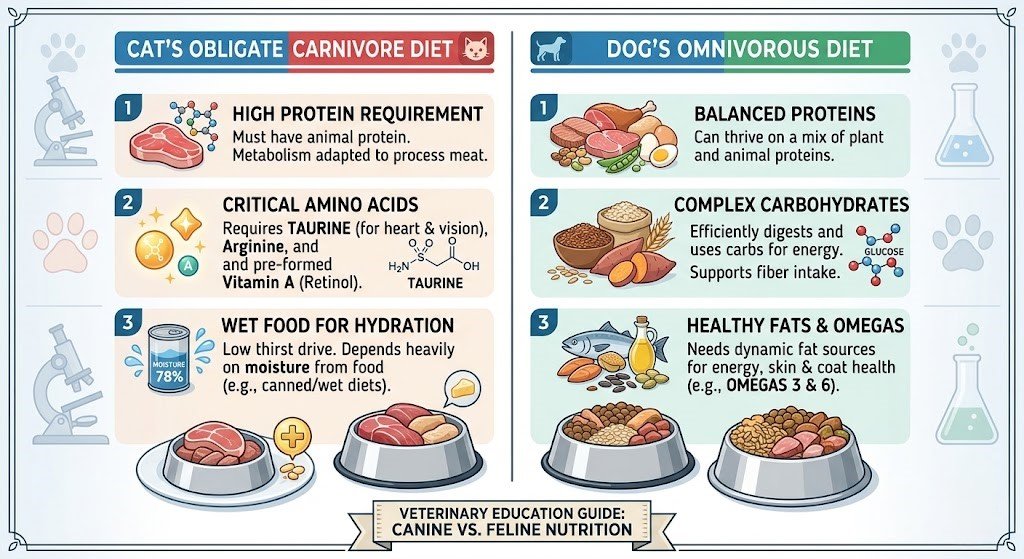
Biological Differences: Obligate Carnivores vs. Facultative Omnivores
- Cats (Obligate Carnivores): Felines have an absolute biological requirement for animal protein and specific amino acids like taurine, arginine, and pre-formed Vitamin A. Without sufficient taurine, cats risk severe cardiac health issues (dilated cardiomyopathy) and central retinal degeneration.
- Dogs (Facultative Omnivores): Dogs possess key enzyme adaptations that allow them to digest and utilize carbohydrates efficiently alongside animal proteins. Carbohydrates provide readily available energy, dietary fiber, and essential micronutrients.
Essential Nutrients Every Pet Needs
A nutritionally complete and balanced diet must conform to standards established by regulatory bodies like AAFCO (Association of American Feed Control Officials) or FEDIAF:
- Water: The single most critical nutrient supporting organ functions, digestion, and urinary tract flushing.
- Proteins & Amino Acids: Necessary for tissue repair, muscle growth, and immune function.
- Fats & Essential Fatty Acids: Omega-3 and Omega-6 fatty acids support skin integrity, coat luster, joint health, and cognitive function.
- Vitamins & Minerals: Balanced calcium-to-phosphorus ratios prevent metabolic bone disease and support renal longevity.
What Are Veterinary Prescription Diets?
Unlike standard over-the-counter pet food found on supermarket shelves, prescription diets (also referred to as therapeutic or veterinary diets) are formulated to address specific medical conditions. They undergo rigorous clinical research, strict quality controls, and precise nutrient regulation.
Standard Pet Food vs. Prescription Diets
| Feature | Commercial Retail Diets | Therapeutic Prescription Diets |
| Primary Purpose | General health maintenance for healthy pets | Targeted treatment or disease management |
| Nutrient Range | Broad nutritional baseline (AAFCO standard) | Strictly modified levels (e.g., low sodium, precise phosphorus) |
| Availability | Available at pet stores and grocery outlets | Available via veterinary clinics or authorization |
| Monitoring | General owner observation | Veterinary supervision and regular check-ups |
For further details on routine healthcare procedures that impact dietary needs, explore our guide on [Internal Link: Insert relevant internal URL here with anchor text: Pet Surgery and Post-Operative Recovery Care].
Common Medical Conditions Managed by Prescription Diets
Therapeutic nutrition acts as a non-invasive, daily medical intervention that directly supports pharmaceuticals and medical treatments.
1. Chronic Kidney Disease (CKD) & Renal Diets
Renal diets are engineered with restricted, high-quality proteins and significantly reduced phosphorus levels to lower the metabolic workload on compromised kidneys. Added Omega-3 fatty acids help reduce renal inflammation and support blood pressure control.
2. Food Sensitivities & Adverse Food Reactions
Pets with severe skin issues, chronic itching, or lower GI upset often benefit from hydrolyzed protein diets or novel protein sources. Hydrolysis breaks protein molecules down to a molecular size too small to trigger an immune response. To learn more about clinical allergy protocols, review the guidelines established by the [External Link: Insert high-authority external URL here with anchor text: American Veterinary Medical Association (AVMA)].
3. Feline Lower Urinary Tract Disease (FLUTD) & Canine Urolithiasis
Urinary prescription diets adjust urinary pH and regulate precise concentrations of magnesium, phosphorus, and calcium to prevent or dissolve bladder crystals (struvite and calcium oxalate stones).
4. Diabetes Mellitus Management
Diabetic prescription diets focus on low-glycemic carbohydrates, high soluble fiber, and optimized protein ratios to stabilize blood glucose levels and reduce dependence on exogenous insulin.

Best Practices for Feeding and Transitioning Your Pet
Introducing a new diet—especially a therapeutic formula—requires systematic care to avoid stomach upset, refusal, or acute rejection.
Day 1 - 3: 75% Old Food + 25% New Food
Day 4 - 6: 50% Old Food + 50% New Food
Day 7 - 9: 25% Old Food + 75% New Food
Day 10+  : 100% New Prescription Diet
Tips for Picky Eaters on Therapeutic Diets
- Slight Warming: Warm wet food slightly in the microwave to release aromatic fats and enhance palatability.
- Hydration Boosting: Add warm water or low-sodium bone broth (without onions or garlic) to dry kibble.
- Consistency: Avoid adding unauthorized treats or table scraps, which can counteract the therapeutic benefits of the prescription food.

Frequently Asked Questions (FAQs)
Do I need a prescription from a vet to buy prescription pet food?
Yes. Therapeutic pet foods contain modified nutrient levels that could prove harmful to a healthy pet. A veterinarian must diagnose the underlying condition and issue a recommendation or prescription to ensure the formula is safe for your pet.
Can standard pet food cure food allergies in dogs and cats?
While limited-ingredient over-the-counter foods can help mild intolerances, true food allergies typically require a diagnostic 8-to-12-week strict elimination trial using a veterinary hydrolyzed protein or novel protein prescription diet.
How long does a pet need to stay on a prescription diet?
It depends entirely on the diagnosis. Some conditions (like acute gastrointestinal distress or post-surgery recovery) require therapeutic diets for only a few weeks. Chronic illnesses like kidney disease, diabetes, or urinary stone prevention often require lifelong dietary management.
Conclusion
Understanding pet nutrition guides and prescription diets empowers you to take an active, proactive role in your pet’s health and longevity. Whether optimizing daily nutrition for a healthy puppy or utilizing specialized therapeutic formulas to manage complex medical conditions, the right food serves as vital everyday medicine. Always consult your veterinarian before making significant changes to your pet’s feeding regimen to ensure their individual nutritional needs are met safely and effectively.