

Deciding when to spay or neuter your puppy and kitten is one of the most critical health choices you will make during your pet’s early development. While surgical sterilization was traditionally performed around six months of age for all pets, updated veterinary research shows that the ideal timeline varies significantly based on species, adult size, and individual health factors.
Spaying (removing ovaries and uterus in females) and neutering (removing testicles in males) offer significant health and behavioral benefits. However, timing the procedure correctly is essential for preventing hormone-related medical issues, supporting joint integrity, and reducing future behavioral challenges.
Key Takeaways
- Cats follow a fixed timeline: Felines should generally be spayed or neutered before five months of age to prevent unwanted litters, spraying, and mammary tumors.
- Small dogs mature faster: Toy and small-breed puppies can safely undergo sterilization at 6 to 9 months of age.
- Large dogs need delay: Large and giant-breed dogs benefit from delaying the procedure until 12 to 24 months to allow physical growth plates to close fully.
- Behavioral and health benefits: Timely sterilization eliminates uterine infections (pyometra), decreases testicular cancer risk, and curbs urine marking.
The General Timeline for Cats and Dogs
The optimal age for sterilization varies considerably between species due to differing developmental rates and reproductive cycles.
| Animal Type | Recommended Age Range | Primary Clinical Reason |
| Kittens (Male & Female) | 4 to 5 Months | Prevents early sexual maturity, spraying, and unintended litters |
| Small Dogs (< 45 lbs) | 6 to 9 Months | Minimizes anesthetic risk while preventing heat cycles |
| Large Dogs (45–90 lbs) | 12 to 18 Months | Promotes joint stability and proper bone growth plate closure |
| Giant Dogs (> 90 lbs) | 18 to 24 Months | Protects against orthopedic conditions like hip dysplasia |
Determining When to Spay or Neuter Your Kitten
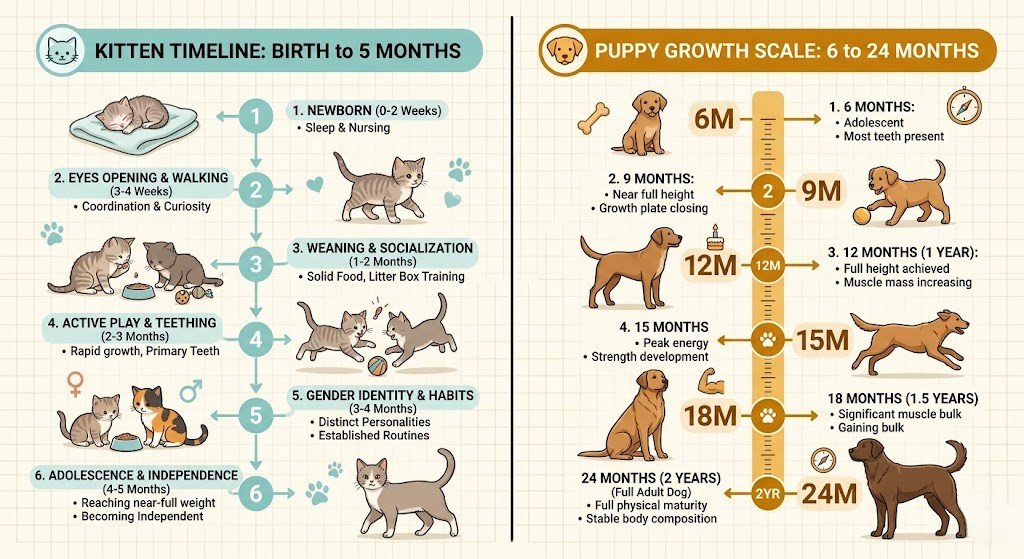
Feline reproductive development occurs rapidly. Female kittens can enter their first heat cycle as early as four months of age, while male kittens quickly develop territorial behaviors like urine spraying.
Why “Fix by Five” Months is Recommended for Kittens
Veterinary organizations globally advocate for the “Fix by Five” protocol—sterilizing kittens before they reach five months old.
- Mammary Cancer Reduction: Spaying a female kitten before her first heat reduces her risk of developing mammary cancer by over 90%.
- Behavior Prevention: Neutering male kittens before sexual maturity prevents aggressive territorial behavior and persistent indoor urine spraying.
- Population Control: Prevents pediatric pregnancies, which carry high medical risk for young cats.
Determining When to Spay or Neuter Your Puppy
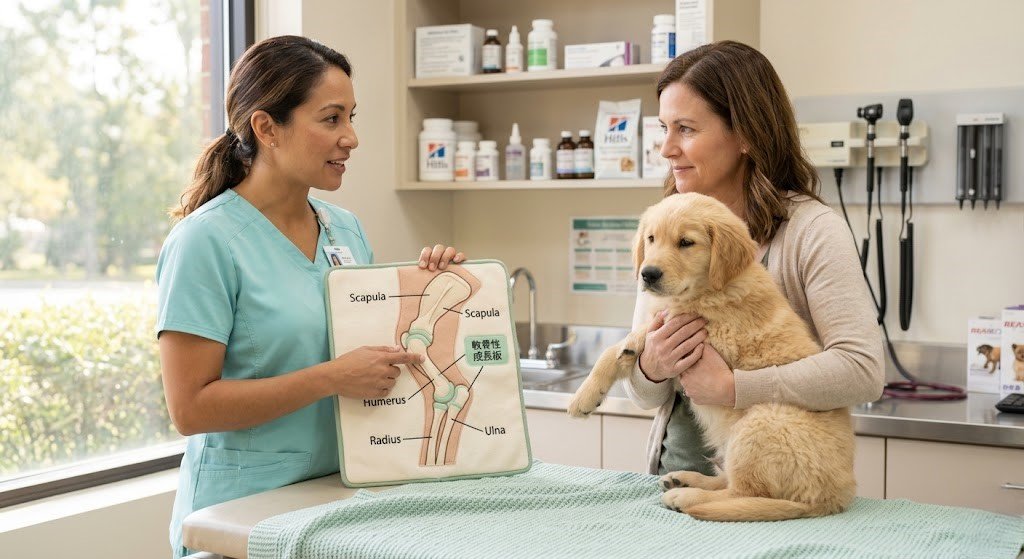
Choosing when to spay or neuter your puppy requires considering breed size, growth rate, and joint development. Sex hormones (estrogen and testosterone) regulate the closure of skeletal growth plates. Removing these hormones too early in large-breed dogs can cause bones to grow unnaturally long, increasing the risk of ligament tears and joint disorders.
Small Breeds vs. Large Breeds
- Toy & Small Breeds (Chihuahua, Shih Tzu, French Bulldog): Reaching physical maturity quickly, these dogs face minimal risk of hormone-related joint conditions. Sterilization between 6 and 9 months is standard.
- Medium Breeds (Beagle, Australian Shepherd): Typically fixed between 9 and 12 months, balancing behavioral management with growth completion.
- Large & Giant Breeds (Golden Retriever, German Shepherd, Great Dane): Current veterinary consensus recommends waiting until 12 to 24 months to reduce risks of cranial cruciate ligament (CCL) ruptures, hip dysplasia, and certain cancers.
For detailed clinical studies on breed-specific sterilization timings, refer to the [External Link: Insert high-authority external URL here with anchor text: American Veterinary Medical Association (AVMA) Pediatric Spay/Neuter Guidelines].
Benefits and Potential Risks of Surgical Sterilization
Understanding the medical impact helps you make an informed decision alongside your veterinarian.
Health & Behavioral Benefits
- Eliminates Pyometra: Spaying completely removes the risk of pyometra, a life-threatening uterine infection affecting up to 25% of unspayed female dogs.
- Reduces Cancer Risks: Eliminates testicular cancer in males and significantly decreases mammary gland tumors in females.
- Behavioral Stability: Decreases roaming tendencies, territorial mounting, and aggressive intrasex competition.
Considerations & Potential Risks
- Metabolic Shifts: Sterilization slightly lowers metabolic rate, requiring adjustments in daily calorie intake to prevent obesity.
- Urinary Incontinence: A small percentage of early-spayed female dogs may develop hormone-responsive urinary incontinence later in life, which is easily managed with medication.

Post-Operative Care & Recovery Tips
Once you decide when to spay or neuter your puppy and kitten, preparing for smooth post-surgical care is the next step.
- Restrict Physical Activity: Prevent running, jumping, and rough play for 10 to 14 days to keep surgical incisions intact.
- Use Recovery Collars: Keep an Elizabethan collar (E-collar) or recovery suit on your pet to prevent licking or biting at sutures.
- Inspect the Incision Site Daily: Monitor for excessive swelling, redness, discharge, or open seams.
- Manage Pain Responsibly: Administer only veterinarian-prescribed pain medications. Never give human pain relievers, which are toxic to pets.
Frequently Asked Questions
Will spaying or neutering change my pet’s personality?
No. Sterilization removes hormone-driven behaviors like roaming, mounting, and territorial marking, but your pet’s core personality, affection levels, and intelligence remain unchanged.
What happens if I spay my female dog while she is in heat?
While possible, spaying during a heat cycle increases surgical complexity and bleeding risks due to swollen blood vessels. Most veterinarians prefer scheduling the surgery 2 to 3 months after the heat cycle concludes.
Is pediatric spaying and neutering safe for shelter animals?
Yes. Shelters routinely perform high-volume pediatric sterilizations at 8 to 12 weeks of age to ensure pets are fixed before adoption. While safe, private pet owners often choose slightly longer timelines based on individual growth needs.
Final Thoughts
Evaluating when to spay or neuter your puppy and kitten requires balancing species requirements, breed genetics, and behavioral goals. Cats thrive when fixed before 5 months, whereas large-breed dogs benefit from extra growth time to protect long-term joint health. Consult your veterinarian to design a customized sterilization plan tailored to your pet’s individual needs.