

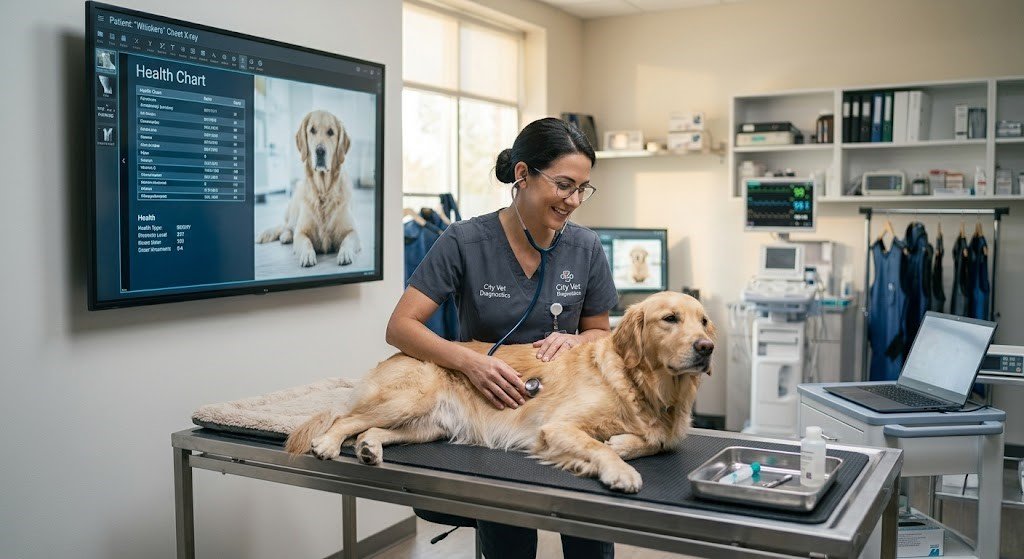
Navigating the world of pet surgery can feel overwhelming for any pet parent. Whether your companion requires a routine preventive operation like a spay or neuter, or a more complex soft tissue procedure, knowing what to expect reduces stress and directly improves recovery outcomes. Modern veterinary care combines advanced surgical technology, tailored anesthesia monitoring, and comprehensive pain management protocols to keep your pet safe and comfortable at every stage.
Understanding how these procedures work—and mastering post-surgical care at home—empowers you to provide the best possible support for your animal.
Key Takeaways
- Routine vs. Specialized Operations: Spay and neuter procedures prevent reproductive diseases and overpopulation, while soft tissue operations address internal organ, skin, and mass removal needs.
- Pre-Operative Preparation: Proper fasting (usually 8–12 hours) and blood screening are critical steps to reduce anesthesia risks.
- Strict Rest is Essential: Restricting physical activity for 10 to 14 days post-op prevents incision breakdown and internal tissue complications.
- E-Collar Compliance: Stopping your pet from licking the wound site is the single most effective way to prevent post-surgical infections.
Understanding Spay and Neuter Procedures
Spaying (ovariohysterectomy or ovariectomy) and neutering (orchiectomy) are the most common routine surgical procedures performed in veterinary medicine.
- Spaying (Female Pets): Involves the surgical removal of the ovaries and usually the uterus. This procedure prevents unwanted pregnancies, eliminates heat cycles, and drastically lowers the risk of mammary tumors and life-threatening uterine infections (pyometra).
- Neutering (Male Pets): Involves the removal of the testicles. Neutering eliminates the risk of testicular cancer, reduces prostate disease risks, and curb unwanted behaviors like roaming or territorial marking.
When performed at the recommended age, these routine procedures lay the foundation for a long, healthy life. To explore more about custom pet wellness routines, check out [Internal Link: Explore our complete pet wellness and preventive care guide].
What is Soft Tissue Pet Surgery?
Beyond routine sterilization, pet surgery frequently encompasses a wide domain known as soft tissue surgery. This category includes any procedure not related to bones, joints, or the nervous system.
Common soft tissue procedures include:
- Mass Removal & Biopsies: Excising cutaneous or subcutaneous lumps to diagnose or treat benign and malignant tumors.
- Gastrointestinal Surgery: Removing foreign objects swallowed by pets (enterotomy or gastrotomy) or repairing intestinal blockages.
- Bladder Stone Removal (Cystotomy): Opening the urinary bladder to extract painful stones causing blockages or chronic infections.
- Wound Repair & Reconstructive Surgery: Closing complex lacerations, abscesses, or skin defects caused by trauma.
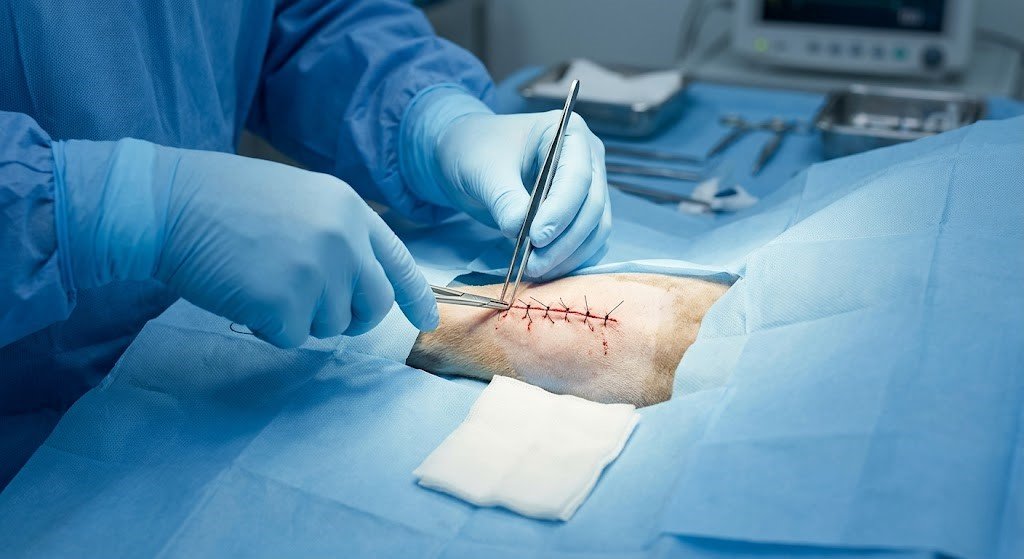
Pre-Surgical Preparation: What Pet Owners Must Know
Preparing your animal companion for a pet surgery procedure begins well before stepping into the surgical suite. Proper pre-operative management minimizes surgical risks and ensures smooth anesthesia delivery.
- Pre-Anesthetic Blood Screening: Evaluates liver and kidney function to confirm your pet can safely process and eliminate anesthesia drugs.
- Fasting Guidelines: Most pets must fast for 8 to 12 hours prior to general anesthesia to prevent aspiration during the procedure.
- Medication Review: Inform your veterinary team of all current medications, supplements, or underlying conditions.
For strict medical standards and surgical guidelines, refer to authoritative resources like the [External Link: American Animal Hospital Association (AAHA) Surgical Guidelines].
Post-Operative Recovery and Wound Management
The success of any pet surgery depends as much on home recovery care as it does on the surgeon’s skill. Most soft tissue and sterilization incisions require 10 to 14 days to achieve structural healing.

Critical Home Recovery Steps
- Strict Activity Control: Keep dogs on short leash walks for elimination only. Prevent cats from jumping on furniture or running up stairs. Excessive movement places tension on internal and external suture lines.
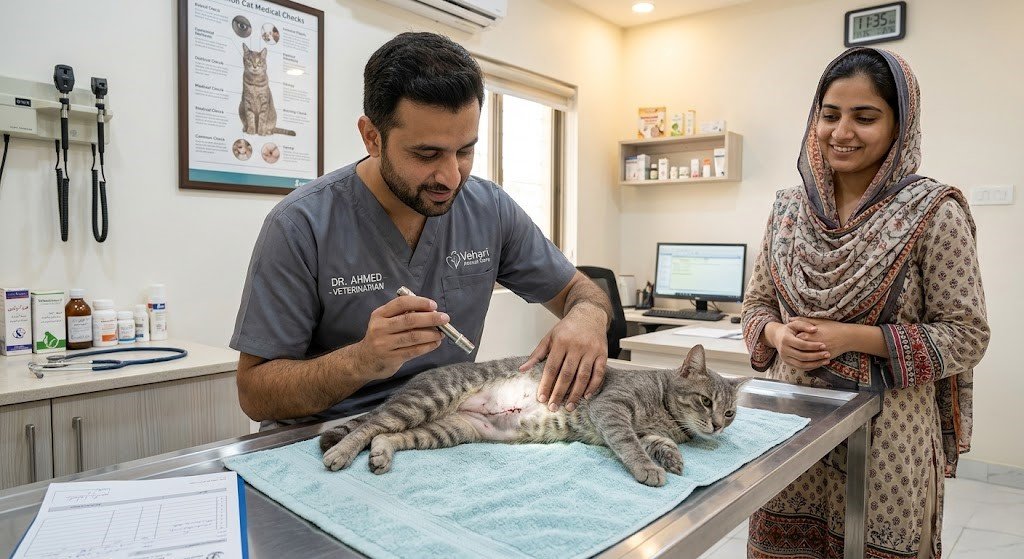
- Incision Inspection: Examine the incision twice daily. Look out for warning signs such as severe swelling, opening edges, foul odor, or discolored discharge.
- E-Collar Use: Keep an Elizabethan collar (cone) or recovery suit on at all times. Even brief licking introduces oral bacteria, leading to wound breakdown or severe infection.
- Medication Administration: Administer all prescribed analgesics and antibiotics on schedule. Never give human pain medications like ibuprofen, aspirin, or acetaminophen, as they are toxic to pets.
Comparing Surgery Types and Healing Timelines
| Procedure Type | Primary Goal | Average Healing Window | Key Recovery Requirement |
| Spay / Neuter | Sterilization & health prevention | 10 to 14 days | Leash restriction & cone wear |
| Mass Excision | Tissue removal & histopathology | 10 to 14 days | Tension management on skin edges |
| Abdominal Soft Tissue | Organ repair / foreign body removal | 14 to 21 days | Bland diet & strict confinement |
Conclusion
Whether your companion is scheduled for routine sterilization or a specialized soft tissue procedure, preparing in advance ensures the best surgical outcome. By following pre-operative fasting rules, strictly limiting post-op activity, and maintaining vigilant incision monitoring, you set your pet up for a comfortable, stress-free recovery. Always stay in close communication with your veterinary care team whenever you observe unexpected changes in your pet’s healing process.
Frequently Asked Questions (FAQs)
How long does a pet surgery recovery usually take?
Most standard pet surgery procedures—including spay, neuter, and superficial soft tissue operations—require approximately 10 to 14 days of restricted activity and wound care. Complex abdominal or reconstructive procedures may take longer.
Can I remove my pet’s cone if they are resting quietly?
It is safest to leave the cone on continuously. Pets often lick or chew their surgical wounds within seconds of being unsupervised, which can tear open sutures or cause infections.
What are the main signs of infection after soft tissue pet surgery?
Key warning signs include increasing redness, significant swelling, foul odors, yellow or green discharge, persistent lethargy, or the opening of the incision line. Contact your veterinarian immediately if you notice any of these symptoms.