

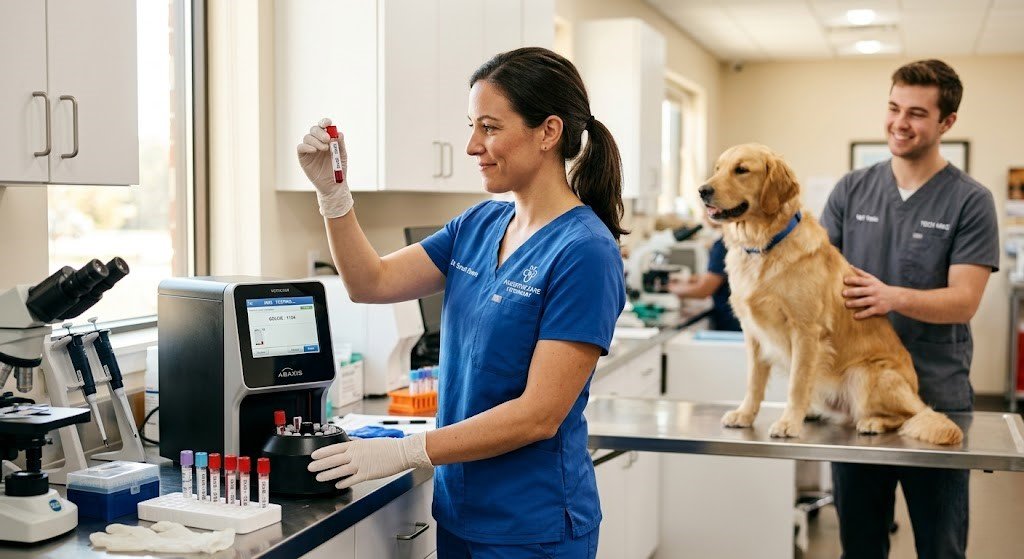
When your dog or cat feels unwell, every second counts. Because our pets cannot verbally explain their symptoms, diagnostic medicine serves as their voice. Choosing a clinic that offers in-house pet lab testing guarantees fast, highly accurate results without the nerve-wracking days spent waiting on external laboratories. From routine preventative screening to critical emergency evaluations, on-site blood panels give your veterinarian immediate access to your pet’s internal organ function, immune system response, and metabolic balance.
Intown Animal Hospital+ 2
At PettyCore, we believe that informed pet parents make the best health decisions. Understanding how in-house pet lab testing works empowers you to take proactive steps in protecting your furry companion’s long-term wellness.
Intown Animal Hospital
Key Takeaways
- Rapid Turnaround: In-house blood panels provide diagnostic results in minutes rather than days, allowing immediate treatment initiation during emergencies or routine visits. Sage Pet Hospital
- Core Diagnostic Components: The two primary elements of pet blood work are the Complete Blood Count (CBC) and the Serum Chemistry Profile. Brighton Animal Hospital
- Early Disease Detection: Routine blood work identifies underlying organ dysfunction, diabetes, or infections long before clinical symptoms appear. Brighton Animal Hospital
- Essential Pre-Anesthetic Care: Running blood panels prior to surgery screens liver and kidney function, ensuring your pet can safely process anesthetic medications. NDS Animal Hospital
Why Speed Matters: The Value of On-Site Pet Diagnostics
Traditional veterinary diagnostics often rely on courier services to transport blood samples to off-site reference laboratories. While reference labs are essential for complex specialized testing, relying on them for standard health panels introduces delays.
Intown Animal Hospital
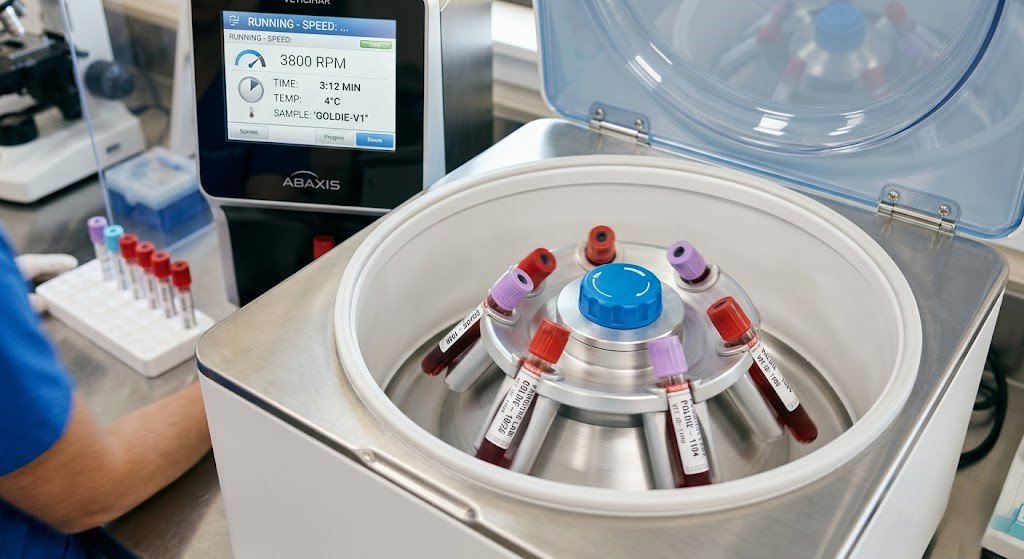
[Sample Collection] ➔ [On-Site Centrifuge & Analyzer] ➔ [Results in 15–30 Mins] ➔ [Immediate Treatment Plan]
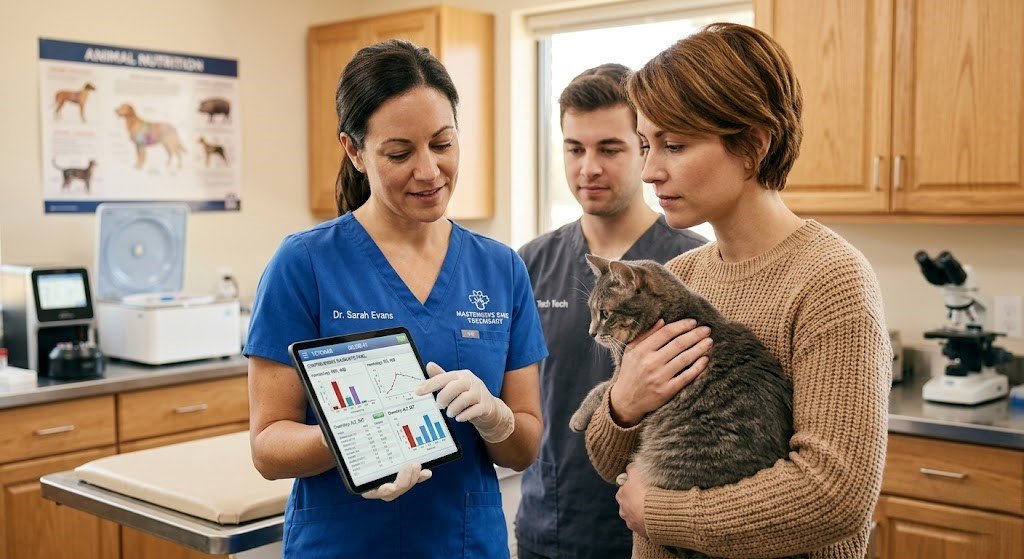
In-house pet lab testing eliminates diagnostic lag. Modern benchtop chemistry and hematology analyzers allow veterinary teams to draw a sample and review complete diagnostic profiles while you wait in the examination room.
- Emergency & Critical Care Response: In cases of severe trauma, suspected toxicity, or sudden collapse, immediate blood chemistry profiles allow vets to stabilize pets without guessing. PetMD
- Baseline Health Tracking: Annual blood panels create a baseline metric unique to your healthy pet, making subtle shifts easier to identify as they age. NDS Animal Hospital
- Targeted Medication Adjustments: Patients on long-term medications for conditions like arthritis, seizures, or heart disease require periodic blood testing to monitor organ safety.
Decoding Your Pet’s Blood Panels: CBC vs. Chemistry Profiles
Veterinary blood testing is divided into two primary diagnostic components: the Complete Blood Count (CBC) and the Serum Chemistry Panel.
Brighton Animal Hospital
1. The Complete Blood Count (CBC)
The CBC evaluates the cellular components circulating in your pet’s bloodstream. It evaluates three main cell types:
Brighton Animal Hospital
- Red Blood Cells (RBCs): Transport oxygen throughout the body. Low RBC counts indicate anemia or internal bleeding, while high counts often indicate dehydration. Brighton Animal Hospital+ 1
- White Blood Cells (WBCs): Form the backbone of the immune system. Spikes in WBC counts suggest active bacterial infections, systemic inflammation, or stress responses. Brighton Animal Hospital
- Platelets: Essential cell fragments responsible for blood clotting. Evaluating platelet levels ensures your pet can form healthy blood clots prior to surgical procedures. Brighton Animal Hospital
2. The Serum Chemistry Profile
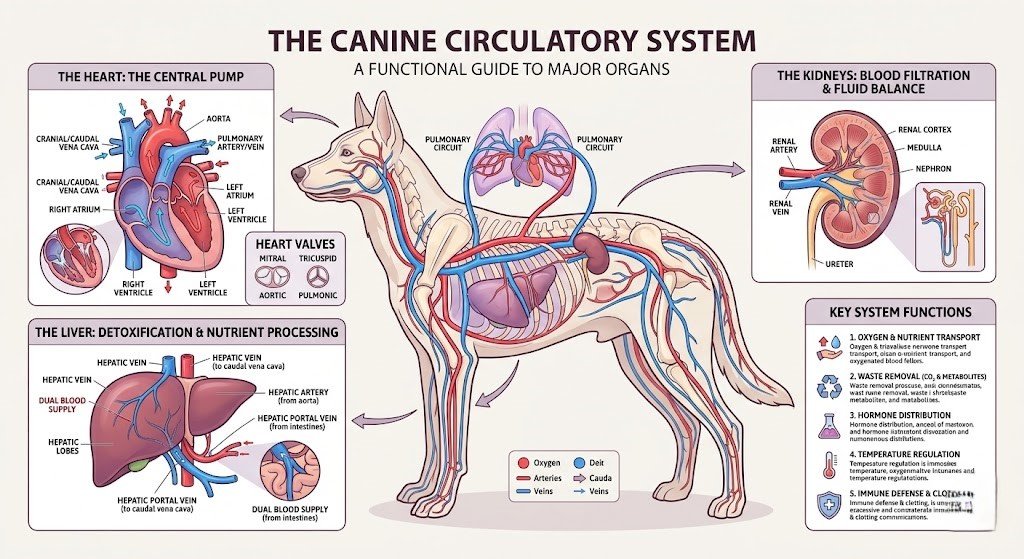
While the CBC analyzes cells, the chemistry profile measures chemicals, enzymes, and electrolytes dissolved in the blood plasma. This offers a clear picture of internal organ health:
PetMD+ 1
| Organ / Marker | Primary Indicators Measured | What Abnormalities Suggest |
|---|---|---|
| Kidney Function | Blood Urea Nitrogen (BUN), Creatinine | Early renal insufficiency, dehydration, or urinary blockage. |
| Liver Function | ALT, ALKP, Total Bilirubin | Liver inflammation, toxin ingestion, gall bladder issues, or medication effects. |
| Pancreatic Enzymes | Lipase, Amylase | Pancreatitis or gastrointestinal tract inflammation. |
| Blood Glucose | Serum Glucose | Elevated levels point toward diabetes mellitus or severe stress; low levels suggest hypoglycemia or sepsis. |
| Electrolytes | Sodium, Potassium, Chloride | Fluid imbalances, endocrine disorders (e.g., Addison’s Disease), or vomiting/diarrhea complications. |
The Critical Role of Pre-Anesthetic Blood Work
If your dog or cat is scheduled for a routine spay, neuter, dental cleaning, or soft tissue surgery, pre-anesthetic testing is a vital safety protocol.
Anesthetic drugs are processed and eliminated primarily through the liver and kidneys. Physical examinations cannot reveal how well these internal organs are functioning on a metabolic level. Running an in-house pet lab testing panel prior to surgery provides essential safety data:
NDS Animal Hospital
- Customized Anesthesia Protocols: If minor kidney or liver elevations are detected, veterinarians adjust drug choices, dosages, and IV fluid administration rates to reduce organ stress. NDS Animal Hospital
- Procedure Risk Reduction: If significant organ impairment is uncovered, elective procedures can be postponed while the underlying condition is treated.
For more details on surgical preparations and safety measures, explore our dedicated guide on [Internal Link: Insert relevant internal URL here with anchor text: Pet Surgery: Spay, Neuter & Soft Tissue Guidelines].
When Should Your Pet Get Blood Testing?
Blood panels are not exclusively reserved for sick or elderly animals. Incorporating diagnostic screening into your pet’s routine care schedule protects their health across all life stages.
NDS Animal Hospital
[Puppy/Kitten Baseline] ➔ [Annual Wellness Panels (Ages 1–7)] ➔ [Bi-Annual Senior Screening (Ages 7+)]
- Annual Wellness Exams: Young and adult pets benefit from annual baseline panels to track normal biological ranges.
- Senior Pet Care (Ages 7+): Aging animals experience rapid metabolic changes. Bi-annual blood work helps catch conditions like chronic kidney disease, hyperthyroidism, or Cushing’s disease before overt physical signs emerge.
- Diagnostic Symptom Workups: If your pet exhibits sudden lethargy, unexplained weight loss, increased thirst, or changes in appetite, immediate in-house pet lab testing pinpoint the root cause.
To review official clinical guidelines regarding preventive health standards, visit the [External Link: Insert high-authority external URL here with anchor text: American Animal Hospital Association (AAHA) Preventive Care Guidelines].
Preparing Your Pet for In-House Blood Panels
Ensuring precise lab test results requires simple preparation. Follow these straightforward guidelines prior to your appointment:
Sage Pet Hospital
- Fasting Requirements: In many cases, pets should fast for 8 to 12 hours prior to sample collection. Eating right before a test can cause lipemia (fat droplets in the blood), which skews chemistry readings. PetMD
- Hydration Access: Always allow continuous access to fresh water. Mild dehydration alters red blood cell concentrations and kidney parameters on blood panels. PetMD
- Minimize Stress: High stress levels cause transient spikes in blood glucose and white blood cell counts. Keep transportation calm by using comfortable carriers or familiar bedding.
Conclusion
Comprehensive in-house pet lab testing gives veterinarians the power to look beneath the surface, transforming pet healthcare from reactive treatment to proactive prevention. By utilizing rapid, on-site blood panels, you gain real-time insight into your companion’s internal health, ensuring faster treatments, safer surgical procedures, and a higher quality of life. Schedule a preventative health panel with your veterinarian today to establish your pet’s health baseline.
Intown Animal Hospital+ 1
Frequently Asked Questions (FAQs)
How long does in-house pet lab testing take?
Because samples are processed directly in the clinic’s laboratory, most standard CBC and chemistry blood panels yield accurate results within 15 to 30 minutes.
NDS Animal Hospital
How much does dog and cat blood work usually cost?
Costs vary based on the depth of the panel required (e.g., simple pre-anesthetic screens vs. comprehensive senior health profiles). On average, routine pet blood work ranges between $100 and $300.
Why does my pet need blood work if they act completely healthy?
Pets naturally hide illness as an evolutionary survival instinct. Routine in-house pet lab testing detects early stages of kidney disease, liver changes, and metabolic conditions long before physical symptoms appear, allowing for easier, less costly management.
Brighton Animal Hospital