

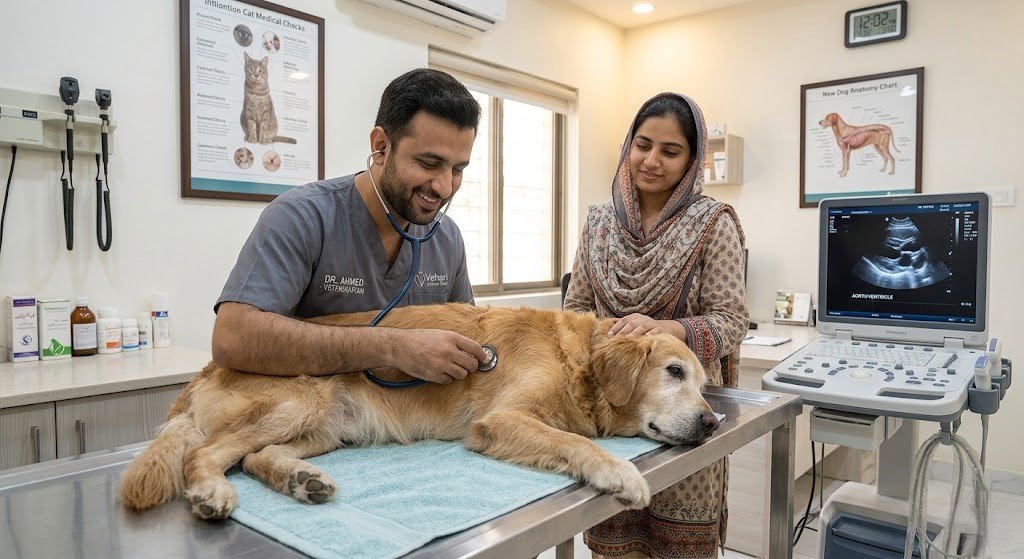
Pet internal medicine & chronic illness care focuses on diagnosing, managing, and treating complex health conditions affecting a pet’s vital internal organs. Unlike temporary acute issues like minor skin cuts or seasonal ear infections, chronic internal illnesses—such as kidney failure, feline or canine diabetes, and endocrine imbalances—develop gradually and require continuous, specialized medical supervision. Partnering with a skilled veterinarian or a board-certified veterinary internist allows pet owners to preserve their companion’s daily comfort, vitality, and longevity.
Most Important Points
- Root Cause Identification: Internal medicine relies heavily on advanced diagnostics (ultrasounds, comprehensive blood chemistry panels, and urinalysis) to identify hidden metabolic and systemic disorders.
- Long-Term Disease Management: Conditions like Cushing’s disease, hyperthyroidism, and chronic kidney disease (CKD) cannot always be cured, but they can be managed effectively through customized treatment protocols.
- Multimodal Therapies: Effective care combines targeted prescription medications, therapeutic clinical diets, routine blood testing, and lifestyle modifications.
- Early Detection Benefits: Catching organ dysfunction in its earliest stages significantly slows disease progression and prevents emergency crises.
What is Veterinary Internal Medicine?
Veterinary internal medicine is a specialized branch of animal healthcare that investigates non-surgical diseases within complex organ systems. When standard treatments fail to resolve persistent, subtle symptoms—or when routine wellness screening reveals abnormal organ values—a primary veterinarian may recommend a deep-dive internal medicine consultation.
For more details on primary surgical procedures and routine pet consultations, read our guide on [Internal Link: Insert link to pet surgery & routine care guide with anchor text: primary pet surgery and wellness care].
Internal medicine specialists (veterinary internists) undergo several years of advanced residency training following veterinary school to master intricate puzzle-solving in organ pathophysiology.
Common Chronic Conditions Managed by Internal Medicine
+--------------------------+-------------------------------------+-----------------------------------+
| Organ System             | Common Chronic Illnesses            | Typical Diagnostic Tools          |
+--------------------------+-------------------------------------+-----------------------------------+
| Endocrine Glands         | Diabetes Mellitus, Cushing's,       | Fasting Glucose, ACTH Stimulation,|
|                          | Addison's, Hyper/Hypothyroidism     | Thyroid Panels                    |
+--------------------------+-------------------------------------+-----------------------------------+
| Renal & Urinary          | Chronic Kidney Disease (CKD),       | SDMA Blood Test, Urinalysis,      |
|                          | Recurrent Bladder Stones            | Abdominal Ultrasound              |
+--------------------------+-------------------------------------+-----------------------------------+
| Gastrointestinal (GI)    | Inflammatory Bowel Disease (IBD),   | Endoscopy, GI Panel Bloodwork,    |
|                          | Chronic Pancreatitis                | Fecal PCR                         |
+--------------------------+-------------------------------------+-----------------------------------+
| Pulmonary & Cardiac      | Feline Asthma, Chronic Bronchitis,  | Digital Radiography (X-rays),     |
|                          | Congestive Heart Failure            | Echocardiography, Electrocardiogram|
+--------------------------+-------------------------------------+-----------------------------------+
Endocrine System Disorders
Endocrine conditions involve gland dysfunctions that disrupt crucial hormone regulation.
- Diabetes Mellitus: Requires daily insulin administration, glucose curve tracking, and strict dietary schedules.
- Thyroid Imbalances: Feline hyperthyroidism accelerates metabolism and places severe strain on the heart, whereas canine hypothyroidism leads to lethargy and weight gain.

Advanced Diagnostics: Uncovering Hidden Illnesses
Because dogs and cats instinctually hide pain and discomfort, early symptoms of internal disease often go unnoticed until organ damage has already progressed. Modern pet internal medicine & chronic illness care relies on precise diagnostic technology to identify subtle systemic changes early.
- Complete Blood Count (CBC) & Serum Biochemistry: Measures red/white blood cell counts and assesses liver enzymes, kidney indicators (BUN, Creatinine, SDMA), and electrolyte balance.
- Abdominal Ultrasonography: Provides real-time, non-invasive cross-sectional views of the liver, spleen, kidneys, adrenal glands, and intestinal tract wall layers.
- Endoscopy & Biopsy: Allows internists to view mucosal linings directly and extract micro-tissue samples from the stomach or intestines without invasive surgery.
For an authoritative look at veterinary specialty standards and board certifications, visit the [External Link: Insert link to American College of Veterinary Internal Medicine (ACVIM) with anchor text: American College of Veterinary Internal Medicine].
Key Strategies in Long-Term Chronic Care
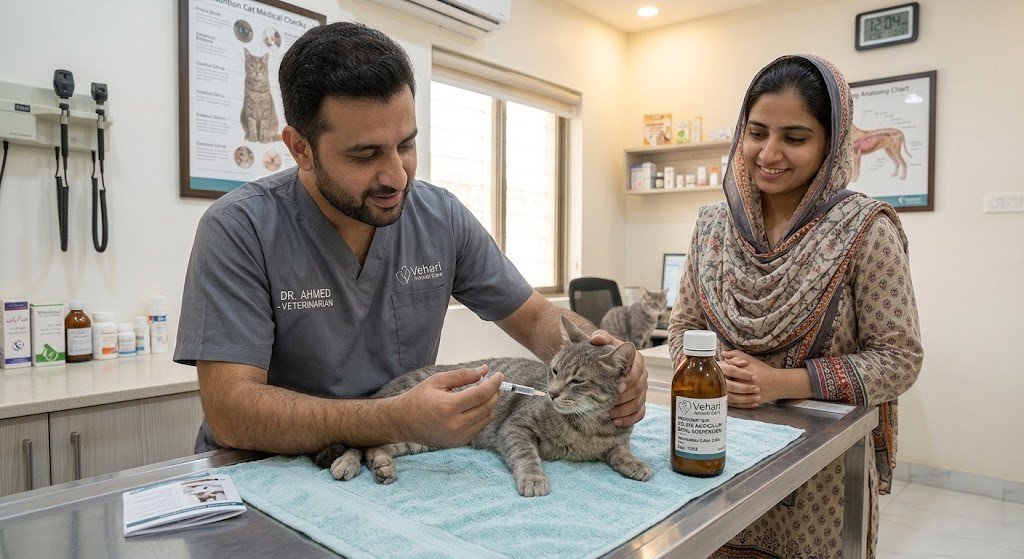
Managing chronic health issues is a continuous partnership between veterinary professionals and pet parents. Successful management requires structured home care routines and consistent clinical rechecks.
Prescription Diets & Targeted Nutrition
Therapeutic diets play a therapeutic role in managing internal diseases. Specialized renal diets restrict phosphorus and high-density proteins to reduce strain on failing kidneys, while low-fat gastrointestinal diets prevent painful flare-ups of chronic pancreatitis.
Medication Management & At-Home Monitoring
Maintaining medication schedules keeps hormone levels stable and controls pain or systemic inflammation. Pet owners must monitor changes in:
- Water intake and urination frequency.
- Appetite shifts and gradual weight fluctuations.
- Overall energy, sleep cycles, and daily mobility.

Conclusion
Comprehensive pet internal medicine & chronic illness care changes a chronic diagnosis from a overwhelming struggle into an organized, manageable routine. Through timely diagnostic screening, tailored medication protocols, and therapeutic dietary management, pets diagnosed with complex internal conditions can continue to lead comfortable, happy, and fulfilling lives alongside their families.
Frequently Asked Questions (FAQs)
What is the difference between a general veterinarian and a veterinary internist?
A general veterinarian provides primary wellness care, vaccinations, routine surgery, and initial diagnostic evaluations. A board-certified veterinary internist has completed several additional years of specialized residency training focused strictly on complex internal organ diseases and advanced non-surgical diagnostics.
What warning signs indicate my pet may need internal medicine evaluation?
Warning signs include unexplained weight loss, persistent vomiting or diarrhea, excessive thirst and urination, ongoing lethargy, chronic coughing, or unresolving loss of appetite.
Can chronic internal illnesses in pets be fully cured?
While some conditions can be cured, many chronic internal illnesses (such as diabetes or chronic kidney disease) are managed rather than cured. With proper care and continuous medical supervision, pets with chronic conditions often maintain an excellent quality of life for years.