

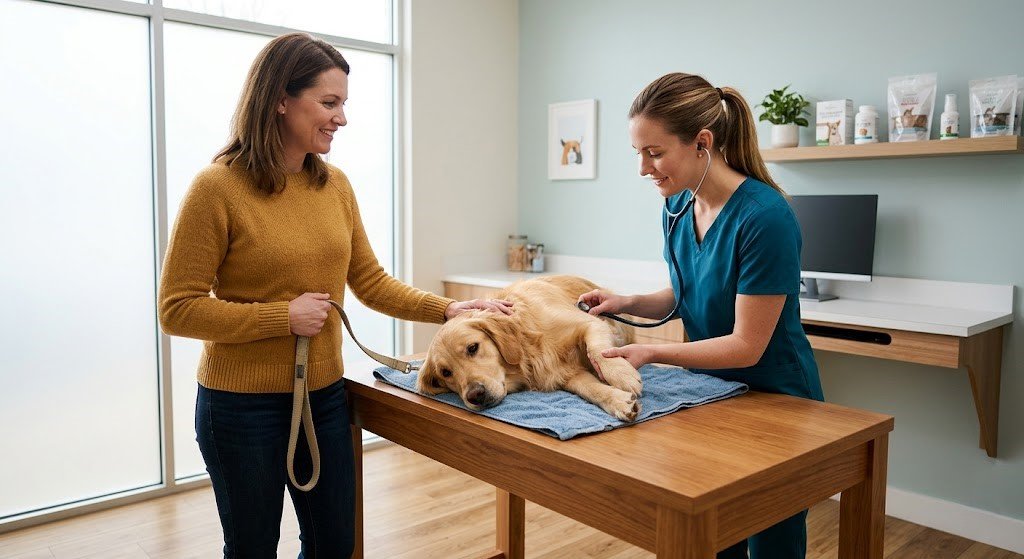
Pets age significantly faster than humans, meaning six months to a year can bring major changes to their internal health, mobility, and vitality. Because dogs and cats instinctively hide signs of pain or illness, regular preventive medical visits are the most effective way to catch health conditions before they become serious. Annual pet wellness exams form the cornerstone of proactive healthcare, helping your companion live a longer, happier, and pain-free life.
Most Important Points
- Early Detection Saves Lives: Routine physical exams and diagnostic screenings identify silent conditions like kidney disease, diabetes, and arthritis before physical symptoms appear.
- Comprehensive Head-to-Tail Evaluation: A standard annual checkup assesses eyes, ears, dental health, heart rate, joint mobility, body condition, and organ function.
- Personalized Preventive Care: Core and lifestyle-specific vaccinations, parasite preventatives, and nutritional recommendations are adjusted to your pet’s exact age and environment.
- Life-Stage Adjustments: While adult pets generally require yearly checkups, senior pets benefit from biannual exams to monitor age-related health shifts.
What Happens During Annual Pet Wellness Exams?
An annual veterinary checkup is far more than a routine shot clinic. It is a thorough systematic physical evaluation combined with lifestyle analysis to ensure every aspect of your pet’s body functions properly.
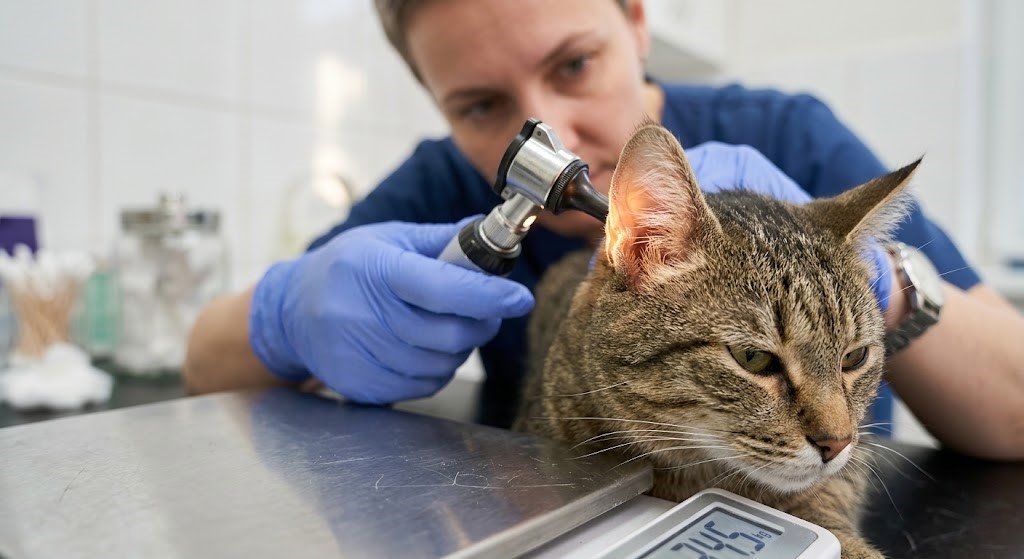
1. Complete Physical Examination
Your veterinarian will perform a full nose-to-tail physical exam, which includes:
- Eyes and Ears: Checking for clear lenses, inflammation, signs of infection, or discharge.
- Oral Health & Dental Exam: Inspecting teeth and gums for tartar, periodontal disease, or oral growths.
- Cardiopulmonary Check: Stethoscope auscultation of heart valves and lungs to listen for murmurs or irregular breathing.
- Abdominal Palpation: Feeling internal organs (liver, kidneys, intestines) for swelling, masses, or discomfort.
- Musculoskeletal System: Evaluating joint range of motion, muscle mass, and signs of stiffness or early arthritis.
2. Preventive Vaccinations & Parasite Screening
Vaccines protect pets from contagious and potentially fatal viruses. During your visit, your vet will review your pet’s exposure risks and update core vaccines (such as Rabies and DHPP for dogs, or FVRCP for cats) along with non-core options like Bordetella or Lyme. Additionally, fecal testing and blood panels screen for heartworms, Lyme disease, and intestinal parasites.
For more tips on keeping your home environment free from harmful risks, check out our guide on [Internal Link: Insert link to pet safety guide here with anchor text: essential pet safety guidelines for every home owner].
The Role of Diagnostic Screening in Preventive Health
Physical exams reveal a lot, but diagnostic testing looks under the hood. Routine bloodwork, urinalysis, and fecal exams serve as baseline benchmarks.

| Diagnostic Test | Primary Purpose | What It Detects |
| Complete Blood Count (CBC) | Evaluates blood cell levels | Infection, inflammation, anemia, clotting ability |
| Blood Chemistry Panel | Checks internal organ function | Liver disease, kidney impairment, blood sugar/diabetes |
| Urinalysis | Assesses kidney & bladder health | Urinary tract infections, kidney issues, metabolic disorders |
| Fecal Parasite Screen | Identifies gastrointestinal parasites | Hookworms, roundworms, whipworms, Giardia |
According to guidelines established by the [External Link: Insert link to AAHA guidelines here with anchor text: American Animal Hospital Association (AAHA)], baseline bloodwork collected during wellness exams allows veterinarians to establish your pet’s healthy normal values, making future abnormalities much easier to catch early.
Weight, Nutrition, and Behavioral Reviews
Obesity remains one of the leading preventable health threats in domestic pets. Extra weight places excess strain on joints, heart function, and insulin regulation. During annual pet wellness exams, your vet calculates a Body Condition Score (BCS) to adjust caloric intake or transition food formulations as your pet matures.
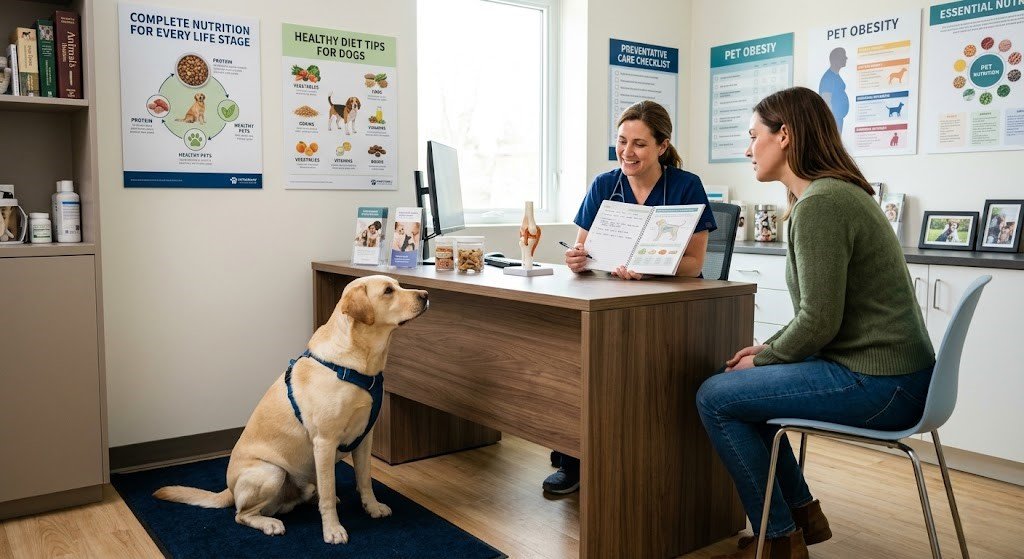
Behavior changes—such as sudden hiding, irritability, litter box avoidance, or sleeping changes—are often the first clinical signs of pain or systemic disease. Discussing behavioral shifts during the annual checkup allows your vet to rule out underlying medical causes.
Conclusion
Scheduling annual pet wellness exams is the single most effective action you can take as a responsible pet owner. By pairing professional physical examinations with proactive diagnostic testing and lifestyle management, you protect your companion from preventable diseases and ensure they enjoy a comfortable, energetic life by your side. Don’t wait for symptoms to appear—book your pet’s yearly checkup today.
Frequently Asked Questions
How often should senior pets get wellness checkups?
Senior pets (typically dogs and cats aged 7 and older) should undergo wellness exams twice a year (every six months). Because senior animals age rapidly, semi-annual exams help vets spot age-related conditions like renal failure or arthritis in their earliest stages.
What is included in an annual pet wellness exam?
A comprehensive exam includes a complete physical evaluation (eyes, ears, teeth, heart, lungs, abdomen, and joints), vaccine updates, parasite screenings, weight and nutritional counseling, and baseline bloodwork or urinalysis.
How much do annual pet checkups cost?
The cost of annual pet wellness checkups varies based on location and specific diagnostic needs. Basic examination fees usually range between $50 and $100, while comprehensive exams including vaccines, heartworm tests, and blood panels generally range between $150 and $350.